
Top 9 Wedding Planner Northern California Secrets
Jan 21, 2026
Lura Albee
Northern California weddings reward great planning—and punish guesswork. Budgets stretch further, guest experience soars, and design sings when you tap local expertise. Couples here often invest at California’s higher price point, with recent studies putting statewide ceremony-and-reception averages near the high 30s—proof that smart choices matter from day one. See why a seasoned, design-forward team changes everything.
If you’re juggling careers, family, and a destination-style weekend, you need more than a venue list—you need a partner who knows the Bay’s microclimates, Wine Country permits, coastal rules, and luxury service standards. This guide distills what top teams actually do behind the scenes so your celebration feels effortless and elevated.
According to recent data on statewide wedding costs, strategic planning helps couples allocate spend where guests feel it most and cut the rest (state-by-state cost context).
Ready to check dates and discuss vision? Send your wish list and guest count, and we’ll map options by budget, season, and style.
Start Here: What a Wedding Planner in Northern California Really Does (Introduction)
A great planner is your executive producer—budgeting, design, logistics, and guest care under one roof. In high-demand markets like the Bay Area, Napa/Sonoma, and Carmel/Monterey, that means lead-time sensitivity, design translation, and vendor orchestration that protects your vision.
Full-service teams handle venue shortlists, contract review, rental strategy, production schedules, and hospitality details across your wedding weekend. The outcome is simple: more time for you, fewer decisions to chase, and a cohesive experience from welcome party to farewell brunch. For a clear scope overview, see what top planners typically cover in this industry explainer from The Knot.
Couples like Priya and Dan (SF tech + NYC family) often start with a venue matrix showing capacities, noise rules, cutoffs, and rain plans. That early clarity saves weeks and avoids surprise fees.
Secret 1: Venue Scouting with Insider Access to Northern California Wedding Venues
Insider access trims months off your search and opens doors to hard-to-get dates. The best planners pre-vet estates, vineyards, and coastal resorts for flow, power, noise, curfews, and backup spaces.
Expect a curated short list tailored to your guest count, ceremony style, and weekend pacing—plus the truth about transportation and vendor constraints. Hidden setup windows and overtime rules can affect your design and band selection as much as aesthetics.
For parks and scenic lands, special event permissions are nuanced; start research early with California State Parks special event guidelines. One Carmel couple secured a bluffside portrait window only because we pre-cleared access timing with rangers 60 days out.

Flat lay of curated venue scouting board showing 3 columns: vineyards, estates, coastal; each card lists capacity, noise cutoff, load-in notes.
Secret 2: Mastering Microclimates—Planning Around Fog, Fire Season, Heat, and Wind
Northern California’s microclimates can swing 20°F within an hour—plan your timeline and rentals accordingly. Coastal fog chills summer evenings, Wine Country afternoons run hot, and autumn brings dry winds that impact fire-weather and air quality.
We build “weather-smart” run-of-show plans: shaded ceremonies, flexible cocktail locations, wind-rated structures, and layered lighting that pivots indoors fast. Guest comfort kits (wraps, shade, water, and heel helpers) are tiny investments with outsized impact.
During fire season, monitor AQI and have mask/indoor contingencies ready. For real-time smoke guidance and AQI tools, rely on AirNow’s wildfire resources. A September Sonoma timeline recently shifted 30 minutes to dodge peak heat—and guests thanked us all night.
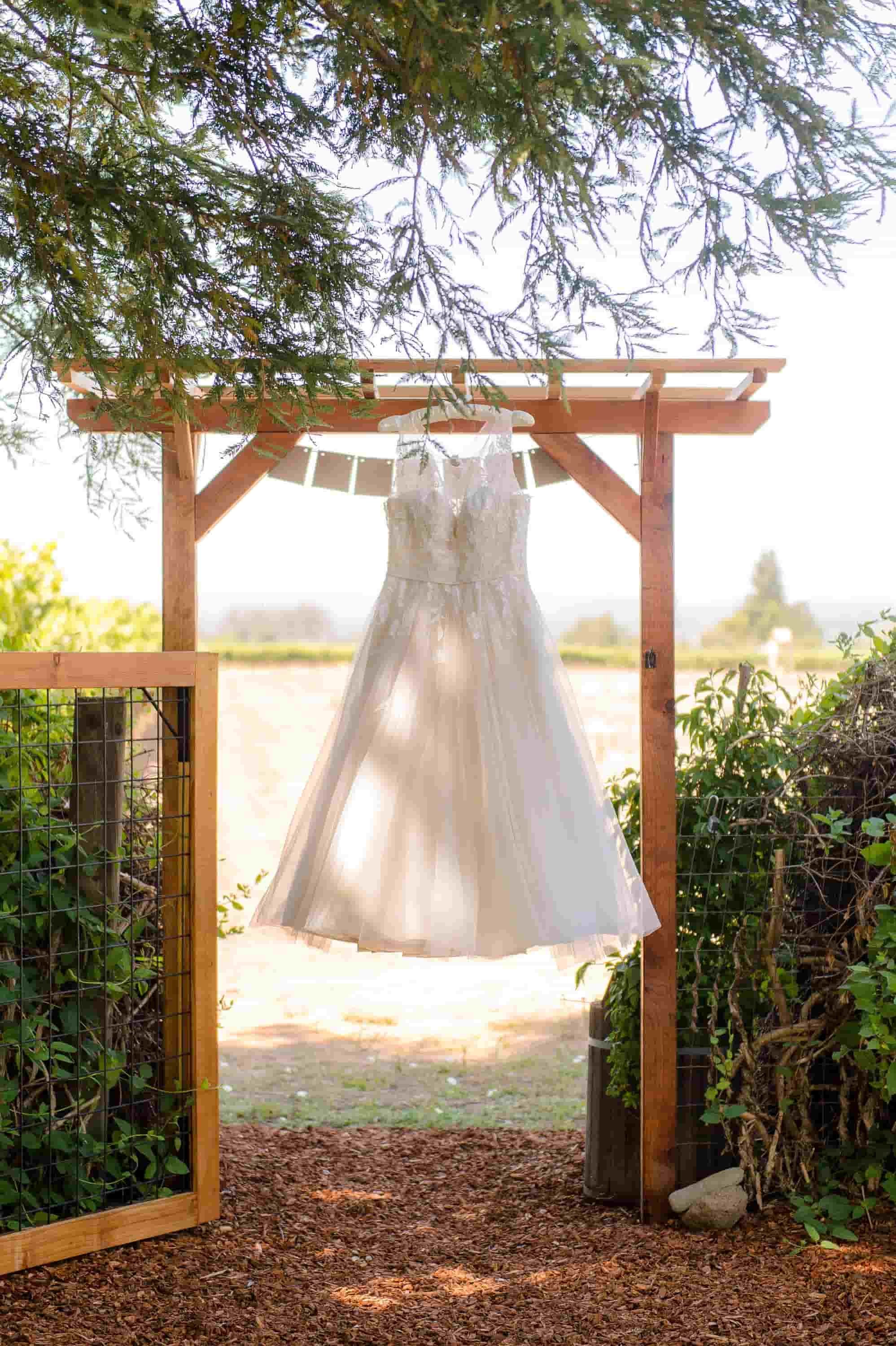
Bride found a picture-perfect place to hang her dress
Secret 3: Bay Area Wedding Planning Services That Streamline Weekend-Long Celebrations
A wedding weekend is a mini-festival—staged, staffed, and paced for flow. Think welcome party, ceremony, late-night bites, excursions, and brunch—each with its own timeline and vendor set.
We design transitions to feel intuitive: QR-coded maps, group texts with shuttle ETAs, and clear signage that removes friction. Front-loading rehearsal logistics and rental resets keeps Saturday serene and on time.
Out-of-town guests love curated city guides; the official visitor handbook is a smart starting point for neighborhoods, museums, and dining. Share the digital guide from San Francisco Travel alongside your custom itinerary.

Weekend wedding flow infographic showing Friday welcome (rooftop), Saturday ceremony + reception timeline blocks, Sunday brunch; icons for shuttles.
Wine Country has unique rules—some wineries cannot host weddings, and noise cutoffs are serious. Understanding site permissions and curfews protects your date and your deposit.
We confirm venue use-permits, amplified sound windows, and vendor parking plans before you sign. Guest shuttles are non-negotiable on rural lanes—think safety, timing, and neighbor goodwill. Start ceremony near golden hour to balance heat, light, and transit.
For winery eligibility and local FAQs, review Visit Napa Valley’s wedding guidance. One St. Helena celebration leaned into a nearby resort for the reception to respect winery limits while preserving vineyard portraits and guest convenience.
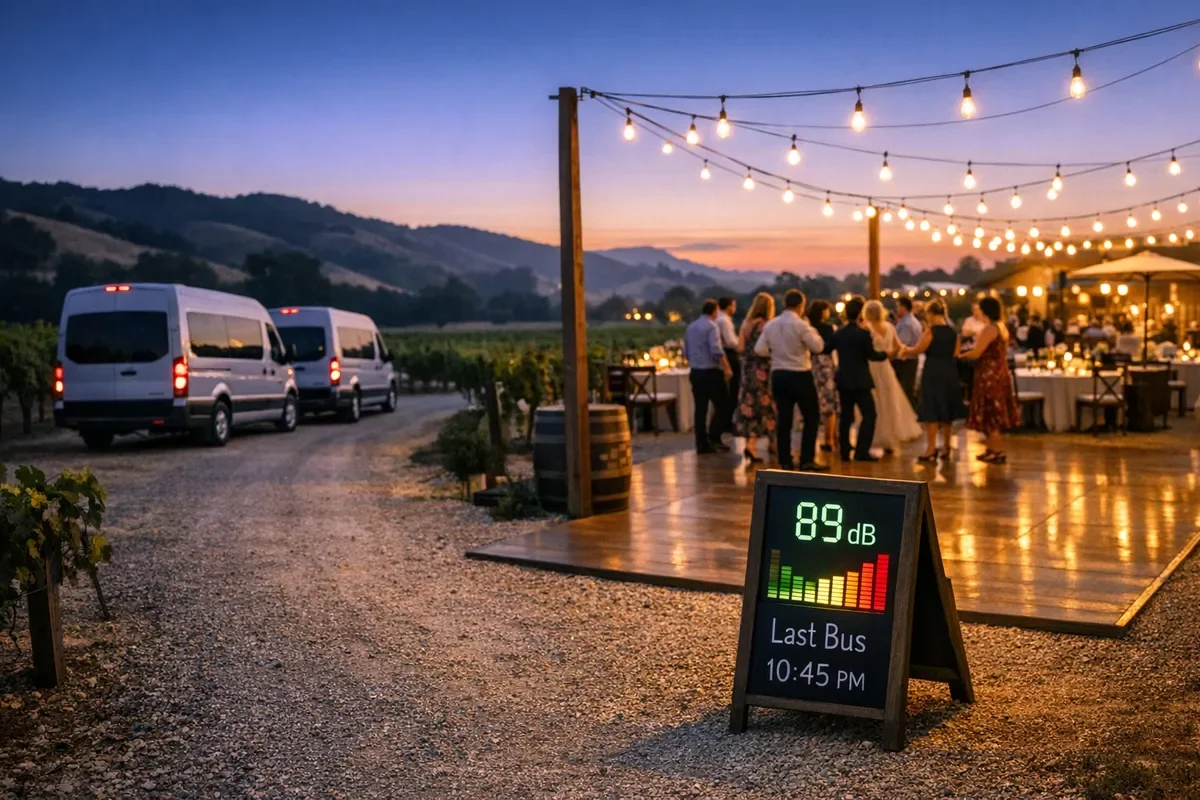
Dusk vineyard scene with shuttle vans on gravel lane, sound meter icon near dance floor, signage for “Last Bus 10:45 PM”; elegant outdoor setup, string lights.
Secret 5: Luxury Coastal Wedding Planner Insights for Carmel and Monterey Resort Events
Coastal rules, tides, and wind shape your design more than Pinterest boards do. Expect earlier noise cutoffs, public access zones, and stricter open-flame policies.
We specify wind-friendly florals, weighted decor, and audio tuned for surf and breeze. Ceremony timing chases soft light and low wind windows, not just formal start times. For beach or park settings, permits and zones matter.
Carmel-by-the-Sea publishes clear beach-event rules and permit thresholds—review them before you lock timing or vendors: City of Carmel beach events and permits. A coastal resort wedding we produced swapped taper candles for enclosed hurricane lanterns and upgraded mics to maintain romance and sound clarity.

Coastal ceremony in Carmel with wind-aware florals, hurricane lanterns, low-profile arch, audio windscreen on mics; waves in background.
Secret 6: Sustainable Wedding Planning in Northern California—Local Sourcing, Rentals, and Waste
Sustainability is elegant when baked into logistics, not bolted on. Local florals, re-usable rentals, and thoughtful serviceware reduce waste and look beautiful.
We build compost/recycling stations into floor plans and coordinate back-of-house training. Menu planning with seasonal producers elevates flavor while shrinking footprint. Track waste streams and recover decor for Sunday brunch or farewell gifts.
Event producers in San Francisco benefit from zero-waste guidance and training; use the city’s event checklist as a baseline for best practices via SF Environment’s training page. We recently re-purposed 60% of ceremony florals for brunch centerpieces—guests noticed, and photos loved it.
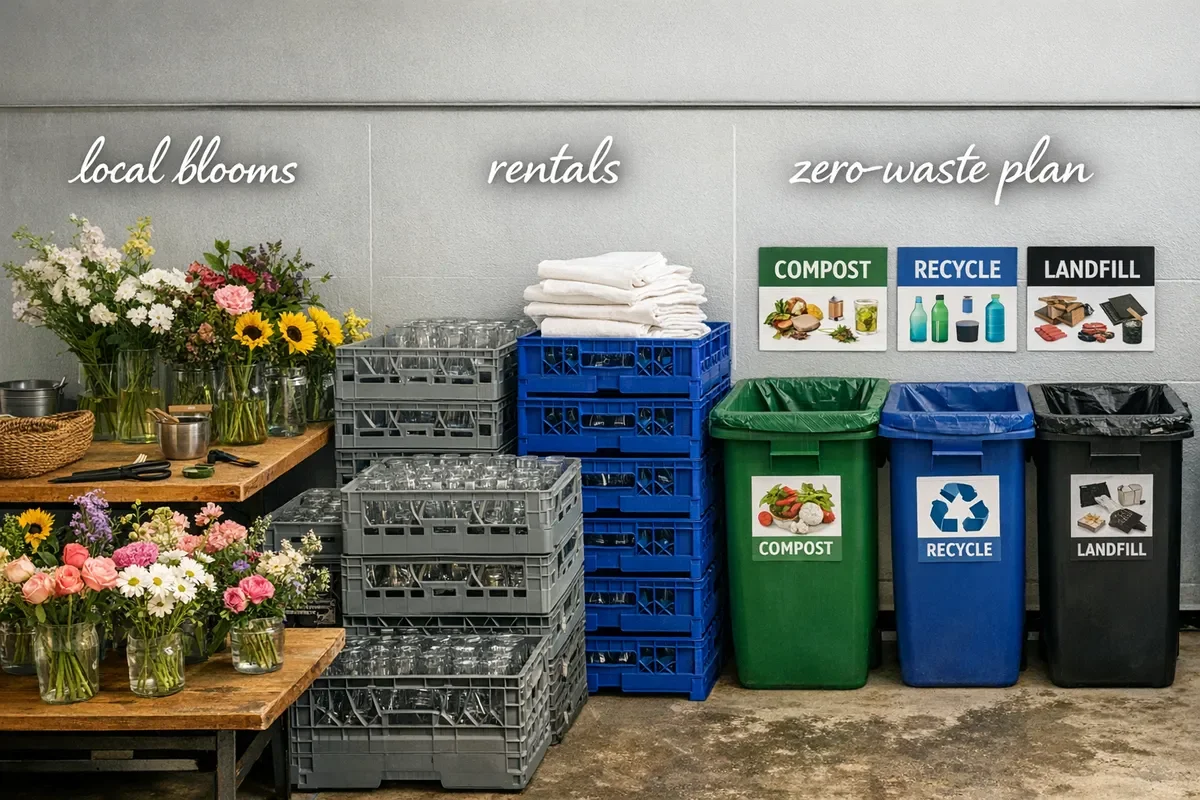
Labeled compost/recycle/landfill stations, re-usable glassware crates, floral repurposing table; overlay captions “local blooms,” “rentals,” “zero-waste plan.
Secret 7: Destination Wedding Logistics in the Bay Area—Guest Experience, Shuttles, and Timelines
Traffic patterns define guest happiness—optimize routes, windows, and wayfinding. We stagger load-in, guest arrival, and vendor shifts to miss weekend choke points.
Build shuttle buffers around bridge toll peaks and event exits. Real-time traveler updates keep everyone calm and on schedule. Pin drop-offs close to ADA-friendly paths and offer rideshare fallback.
For region-wide traffic, transit, and bridge info, coordinate with the Bay Area’s official traveler portal, 511 SF Bay. When a festival spiked delays near your venue, our 511-based reroute shaved 22 minutes off the inbound trip and kept your first look on time.

Shuttle map over Bay Area with marked hotel pickups, venue drop-offs, 511 alert icon, and time buffers.
Secret 8: Design-Forward Concepts that Elevate Estate, Vineyard, and Coastal Venues
Design should collaborate with architecture, views, and light. Estates want layered textures; vineyards love low silhouettes and sightline-friendly palettes; coasts favor wind-smart shapes and reflective surfaces.
We prioritize a signature visual rhythm: ceremony focal point, conversational dining tables, and immersive lighting. Florals echo the landscape rather than compete—color stories pull from foliage, soil tones, and horizon blues.
For floral formats and bouquet styles that photograph beautifully and move well in wind or heat, browse industry trends from the Society of American Florists: wedding bouquet styles overview. A Sonoma estate dinner featured stoneware chargers, linen color blocking, and petite arrangements to preserve vineyard vistas from every seat.

Tablescape triptych: estate (textural linens, taper clusters), vineyard (low, airy florals, sightline-friendly), coastal (windswept greens.
Secret 9: Budgeting Like a Pro—Where to Invest and Save in High-Demand Markets
Spend where guests feel it: music, food/bev flow, and lighting. Save by editing SKUs, consolidating rentals, and repurposing florals across the weekend.
We model “impact per dollar” and build an A/B plan: Band + lighting vs. decor layers; upgraded bar vs. late-night lounge. Guest count is the biggest lever—trimming 10–20 seats often funds your dream design element.
For current cost context by state and region, review this data-backed breakdown from The Knot. In the Bay Area, we routinely redirect 5–8% from low-visibility items to immersive lighting and sound—photos, video, and energy all improve.
Smart Allocation Snapshot
Music and lighting first: They set mood and movement.
Guest comfort line items: Shade, hydration, heating—small dollars, big delight.
Edit duplicates: Choose either chargers or elaborate napkin treatments, not both.
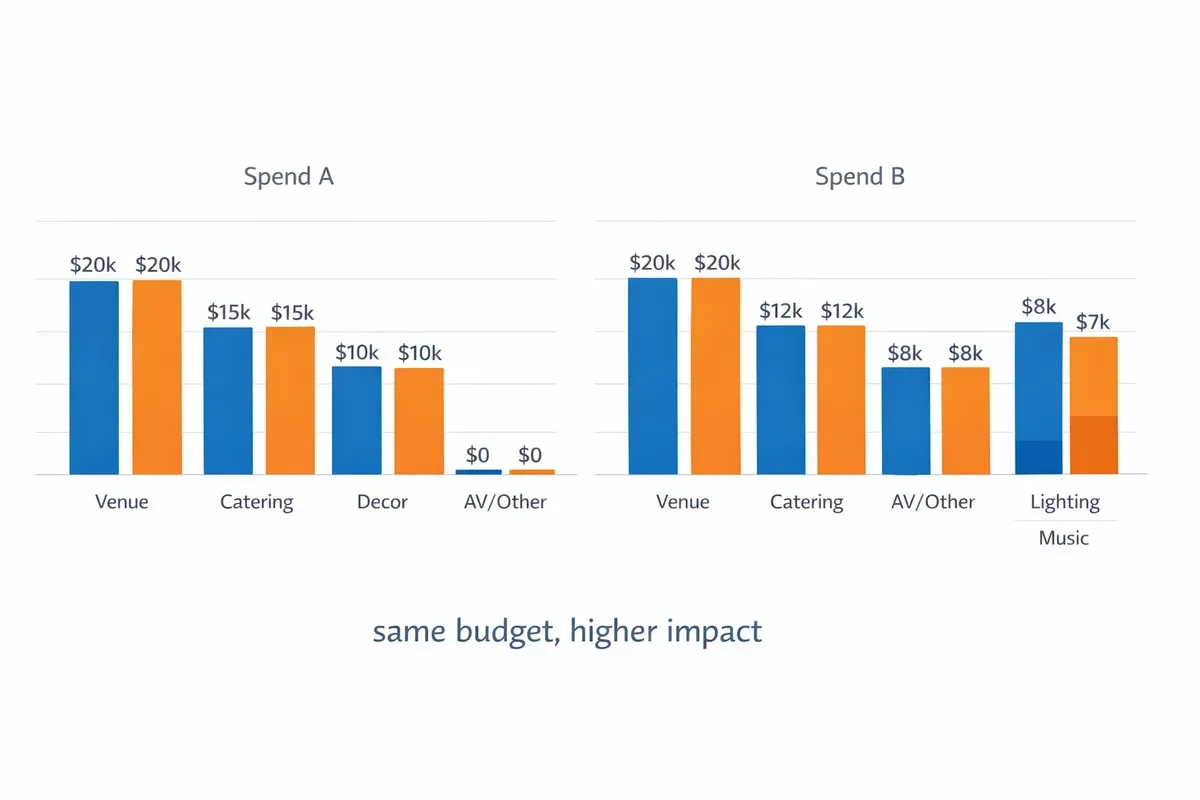
Side-by-side budget bar chart comparing Spend A vs. Spend B with reallocated dollars to lighting/music; caption: “same budget, higher impact.”
How to Choose the Right Wedding Planner Northern California: Questions to Ask and Red Flags
Look for process, transparency, and regional fluency—not just pretty pictures. Ask about microclimate plans, rain contingencies, vendor fit, and weekend staffing ratios.
Review sample timelines, floor plans, and budget trackers. Confirm code of ethics and insurance, then call two venue references. Alignment on communication cadence is as important as aesthetic.
Ethical, professional standards matter; many top pros align to the industry’s code—review the principles from WIPA’s Member Code of Ethics. If a proposal lacks staffing details, contingency notes, or vendor hold policies, keep interviewing.
Curious how we’d map your weekend? Share date range, guest count, and must-haves for a custom plan and budget snapshot.
Next Steps: Check Availability and Get a Quote (Conclusion)
Your wedding should feel unmistakably “you,” supported by a plan that anticipates Northern California’s nuances. The right partner translates vision into timelines, budgets, and hospitality that delight every guest.
We’ll shortlist venues, build weather-smart timelines, and craft a design that honors the landscape—vineyard, estate, or coast. From AQI backups to late-night shuttle loops, nothing is left to chance. For post-event paperwork and certificates, use the state directory to confirm your county process via California’s vital records resources.
Share your date window and style cues, and we’ll reply with availability, a tailored venue matrix, and a clear path to “yes.”
FAQs
Do we really need shuttles if most guests are local? Yes, in Wine Country and coastal zones, shuttles keep timelines tight and reduce onsite congestion. Local guests still appreciate a seamless arrival, and venues often require managed transportation for safety and neighbor relations. A single central pickup with late-night loops works well for 120–150 guests.
What’s the best month to avoid heat and smoke in Napa/Sonoma? Late May–June and mid-September–October often balance temperatures, harvest energy, and sunsets. We add AQI contingencies with indoor airflow and repurposable decor so the look holds even if plans move under cover. Think flexible cocktail locations and wind-aware florals.
How far in advance should we book Northern California wedding venues? Twelve to eighteen months secures peak-season Saturdays; holiday weekends and iconic estates can push earlier. If you’re flexible on Friday/Sunday or shoulder months, we often find value dates within 8–12 months—especially when we leverage vendor relationships.
Can a “sustainable” wedding still feel luxe? Absolutely—luxury pairs well with intention. Local blooms, re-usable rentals, chef-driven seasonal menus, and thoughtful waste plans photograph beautifully. Repurposing ceremony florals for brunch and investing in lighting deliver polish without excess.