
Where to Splurge and Where to Save on a Napa Valley Wedding
Napa wedding cost surprises most couples—not because it’s expensive, but because it’s concentrated in a few line items. The right choices let you keep the romance and rein in the waste. According to The Knot’s 2025 study, the national average sits around $33,000, but Wine Country pricing moves differently due to venue rules, seasonality, and wine programs.
Your goal isn’t the cheapest wedding; it’s the most memorable use of each dollar. Start with the big drivers—venue minimums, food and beverage, guest count—and layer in smart timing and vendor strategy. You’ll see what to upgrade for impact and where to simplify without losing the magic.
By the end, you’ll have a realistic range for your celebration and a clear path to lock pricing with confidence. Beautiful, intentional, and on budget is absolutely possible in Napa.
Want real numbers and options now? See curated venues and pricing that match your guest count and style: view sample packages and pricing.
Start Here: What the average cost of a Napa Valley wedding really looks like (and how to set your budget)
Expect Napa wedding cost to cluster in venue/site fees and food & beverage. Those two can represent 50–70% of spend, and they’re where small choices have outsized effects. Start with a top-line budget, then divide into “non‑negotiables” (location, guest experience) and “nice‑to‑haves” (extras).
Ground your plan with a national baseline, then adjust for Napa realities. The national picture from The Knot’s Average Wedding Cost provides helpful context; Wine Country will trend higher for hotels, staffing, and premium wine.
Build your working range by multiplying an estimated per‑guest food & beverage by headcount, adding venue/site fees, then layering design, music, photo/video, planning, transportation, and a 10–15% buffer. Clarity beats guesswork—and it’s how you decide where to splurge.
Venue realities: Napa vineyard venue fees and minimums explained (estate fees, buyouts, and peak-season pricing)
Most Napa wineries can’t legally host weddings, which concentrates demand at permitted sites, resorts, estates, and restaurants. That scarcity drives site fees and buyout minimums in peak months.
Before you fall in love with a tasting room, check the rules. The Winery Definition Ordinance (WDO) limits weddings at most wineries; the official FAQ spells it out clearly at Visit Napa Valley’s wedding FAQs. Knowing the framework early saves time and aligns expectations with reality.
Expect: site fees (often tiered by date), food & beverage minimums, and potential buyouts if you want exclusivity. Peak weekends carry premiums; weekdays and shoulder dates often unlock value. Example: a Friday in May can price like a Saturday in July, while a Sunday in November can be a quiet win.

Vineyard estate with signage “site fee” “f&b minimum” “buyout” on separate areas of the property, spring greenery, ceremony lawn, terrace reception layout, golden hour.
Splurge smart: When a iconic vineyard venue is worth it—and when to save with estates, lodges, or restaurants
Pay for setting when it IS the experience. If your vision is sunset vows overlooking vines and an alfresco dinner under bistro lights, the venue backdrop does the design heavy lifting.
Iconic estates command higher fees but can reduce decor needs and guest transport time if lodging sits onsite or nearby. When your priorities are great wine and farm‑to‑table food in a polished space, modern lodges and chef‑driven restaurants often deliver similar magic with lower minimums. Browse options via Visit Napa Valley Weddings.
Use a simple test: If you muted the logo, would the atmosphere still feel unforgettable? If yes, splurge. If your style leans chic‑minimal and you’ll bring in rentals regardless, save on the address and invest in lighting and florals instead.
Catering math: Napa wedding catering and wine package pricing (per-person ranges, service, rentals, corkage)
Per‑person pricing hides variables—read the fine print. Confirm what “inclusive” really covers: service staff ratios, glassware counts, bar mixers, coffee service, and late‑night snacks.
Service charges and some fees are taxable in California, which alters the true per‑guest number. For accuracy, separate “menu price,” “service,” “tax,” and rentals. Review guidance on service charges in the state’s rules here: CDTFA Sales & Use Tax Regulations. The invoice math matters—small percentages add up across 100+ guests.
If your venue is a blank canvas, plan for rentals (tables, chairs, linens, glassware) plus a generator or kitchen build if outdoors. A restaurant buyout can simplify costs because much of that infrastructure already exists.

Side-by-side of two invoices: restaurant buyout (bundled line items) vs. estate + full rentals (detailed line items), with highlighted “service charge taxable” note.
Where to splurge on food & wine—and where to save without sacrificing style
Upgrade the parts guests actually taste and remember. A well‑paced menu, hot food served hot, and a thoughtful wine flight beat a sprawling menu every time.
Prioritize one standout moment—chef’s seasonal course, a Magnum pour during toasts, or a late‑night signature bite—and keep the rest crowd‑friendly. For wine strategy and pitfalls to avoid, see Food & Wine’s advice: 10 Mistakes to Avoid When Picking Wedding Wines. Quality over complexity saves budget and delights guests.
Save by trimming SKUs: one sparkling, one versatile white, one light‑to‑medium red, and a signature cocktail. You’ll cut bar waste, speed service, and focus dollars on better bottles.
Bar, wine, and corkage: How Napa wine programs, tasting fees, and corkage impact your total
Corkage isn’t a right—it’s a policy and a cost. In California, if a business allows alcohol consumption on premises, licensing rules apply, and restaurants set their own corkage policies and fees.
Confirm whether your venue allows outside wine and how corkage is billed (per bottle vs. per case, limits, and duplicates of the wine list). Review statewide guidance in the ABC’s Frequently Asked Questions. Ask early and in writing so your wine plan aligns with licenses and budgets.
For tasting‑weekend events, remember that winery experiences are booked and priced per person—great for welcome gatherings, but separate from wedding day costs.

Reception bar setup featuring champagne for toasts, one white, one red, and a signature cocktail card; discreet “corkage $” tent card near POS, elegant Napa aesthetic.
Seasonality matters: Best season to get married in Napa Valley costs (peak vs. shoulder vs. off-peak)
August–October is “crush” and peak pricing. Demand surges for venues, hotels, and transport, while vendor calendars book early.
Shoulder months—April–June and late October–November—often deliver gorgeous light and friendlier minimums. Winter weekends can unlock savings and coveted venues. To understand why harvest drives premiums, see Visit Napa Valley’s harvest overview: Harvest Season (Aug–Oct). Flexing your date is the fastest way to rebalance the budget.
Microclimates matter: valley floor can be warmer; upvalley evenings run cooler. Match attire, heaters, and tent holds to your season.
Guest count decisions: How to right-size your guest list to control Napa wedding cost
Every 10 guests can shift your budget by thousands once you include food, wine, rentals, and transport. Right‑sizing beats shaving quality.
Use a simple A/B list and set a per‑guest cap you’re proud to spend. A smaller list unlocks better wine, elevated plating, and tighter timelines. For planning discipline, build and track your budget with the free Zola Wedding Budget tool. Fewer guests, better experience is the most reliable Napa savings lever.

Intimate long-table dinner for 48 guests on a terrace at sunset, bistro lights, seasonal florals, annotated with per-guest math overlay ($/guest impact).
Lodging and transportation: Budgeting for hotel blocks, resort fees, shuttles, and late-night transport
Rooms and rides are the silent budget killers in Wine Country. Napa’s luxury mix keeps rates elevated, and spread‑out venues make shuttles practical.
Secure hotel blocks early, understand attrition clauses, and mix price points for guests. Learn how blocks and contracts work with this primer from Brides: How Do Wedding Hotel Blocks Work?. For transport, price round‑trip shuttles and a late‑night loop—it protects timelines and safety and often costs less than dozens of rideshares.
Ask hotels about destination/resort fees and what they include; those add to the real nightly rate for your guests.
Vendors unique to Napa: Photography permits, sound limits, planning fees, and insurance considerations
Permits and sound rules vary by jurisdiction, especially on public property. If you’re eyeing downtown murals, riverfront parks, or civic spaces, confirm film/photo permits, insurance, and amplified sound policies.
Start with the City of Napa’s permit hub for special events and filming to understand triggers and lead times: City of Napa Special Event & Film Permits. Your planner’s local know‑how helps you avoid last‑minute surprises, fines, or restricted hours.
For private estates, ask for COIs (Certificates of Insurance), load‑in rules, quiet hours, and vendor access windows—write all of it into your timeline.
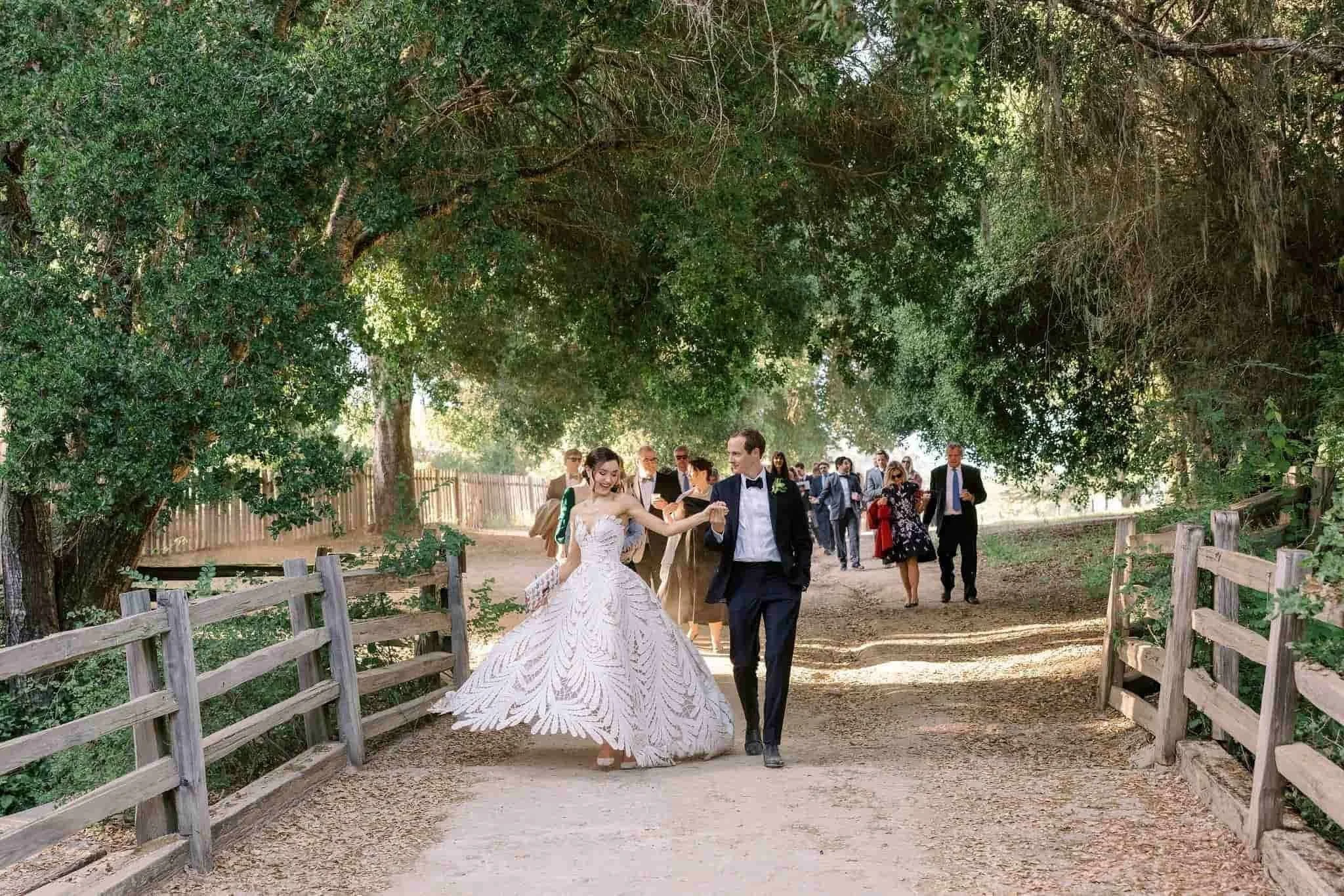
Recent wedding we planned here in Napa.
Design and rentals: Splurge on impact pieces, save with strategic decor, florals, and lighting choices
Lighting multiplies every other dollar. A warm wash, pin‑spots on florals, and a defined dance floor create ambiance and photo‑ready scenes.
If your venue is architecturally stunning, lean into minimal, high‑impact pieces—statement ceremony florals that repurpose to sweetheart table, or a sculptural bar that anchors the room. For a practical checklist of what you may need, scan The Knot’s Wedding Rentals & Lighting Checklist. Edit ruthlessly—the room feels luxe when it’s intentional, not crowded.
Save by reusing ceremony arrangements, consolidating table sizes, and choosing linens that photograph well under warm light.
Comparison check: Napa vs Sonoma wedding cost comparison (what typically costs more and why)
Napa commands premiums for lodging and high‑end tastings; Sonoma often runs lower for similar experiences. If you’re flexible on address, you can stretch design and wine.
Sonoma’s broader venue inventory and hotel mix can ease minimums and room rates. Napa’s prestige and concentration of luxury properties keep averages higher, though off‑peak deals exist. For a look at tasting‑fee trends across regions, see VinePair’s breakdown: Napa tasting fees climbed fastest. Run both scenarios—you may love a Sonoma venue and pour Napa wines.

Split-screen: Napa vineyard estate with luxury tasting lounge vs. Sonoma barn-style venue; overlaid tags “Hotel rates” “Tasting fees” “Venue mix”.
Realistic savings playbook: How to save on a Napa wedding without sacrificing style
Move the date or the day, trim the list, and simplify the bar. Those three levers preserve quality while cutting cost.
Book shoulder season, consider Fridays or Sundays, and keep the beverage program focused (sparkling + one white + one red + signature). Ask your planner to source mid‑week rehearsal dinners and reuse ceremony florals at reception. For room blocks and local introductions, connect with Visit Napa Valley Wedding Planning Assistance to align venues and rates.
When faced with a choice, prioritize guest comfort (seating, shade, heaters, lighting) over small decor multiples.
Sample budget breakdowns: Luxe 120-guest celebration vs. intimate 40-guest weekend
Use these 2026 illustrations as planning ranges—not quotes. They show how priorities shift with size and setting.
Reference national vendor baselines while adjusting for Wine Country: Zola’s 2026 Vendor Price Guide.
Luxe 120‑guest (resort or permitted estate): Site fee/buyout $15k–$25k; F&B (inclusive) $260–$380/guest; design & rentals $18k–$35k; planning $12k–$20k; photo/video $10k–$20k; entertainment $6k–$12k; transport $4k–$9k; permits/insurance $2k–$5k. Approx. total: $120k–$220k.
Intimate 40‑guest (restaurant buyout or boutique lodge): Site/buyout $5k–$12k; F&B (inclusive) $200–$300/guest; design & rentals $6k–$12k; planning $5k–$10k; photo/video $6k–$12k; entertainment $2k–$4k; transport $2k–$4k; permits/insurance $1k–$2k. Approx. total: $45k–$90k.

Two budget cards on a desk: “120 guests” vs “40 guests,” each with stacked bars for venue, f&b, design, photo/video, entertainment, transport.
Want these numbers tailored to your guest count? Compare curated venues and packages: see sample packages and pricing.
Conclusion: Your Napa plan—final tips, timing, and next steps to lock pricing (see sample packages and pricing)
Your best Napa wedding cost strategy is focused abundance: fewer, better choices at the moments that matter. Lead with date flexibility, a right‑sized guest list, and a beverage plan that favors quality over variety.
Lock high‑impact vendors first (venue, catering, planning), then shape design around your site and season. Aim for comfort, pacing, and lighting—they elevate everything you’ve purchased.
If you’re ready to turn ranges into real quotes, start shortlisting venues and request holds. One conversation can clarify six decisions; begin here: see sample packages and pricing. Your Wine Country weekend is closer than you think.
FAQs
What is a realistic Napa wedding cost for 100–125 guests? For a polished experience with great food and wine, plan a broad range of $100k–$180k depending on date, venue type, and design. The spread reflects site fees, per‑guest F&B, and lodging/transport decisions that move totals quickly.
Can we bring our own wine to save money? Sometimes, but only if your venue’s license and policy allow it. Many restaurants and resorts permit corkage with limits; some estates require buying from their program. Confirm corkage terms in writing before purchasing cases.
What months are most budget‑friendly in Napa? Shoulder and winter dates usually offer better value. Late fall and winter weekends can reduce site fees and open availability; harvest (Aug–Oct) commands premiums across venues and hotels.
Is a restaurant buyout cheaper than a private estate? Often, because infrastructure is included. Restaurants typically bundle staff, china, glassware, and kitchen access; private sites need full rentals and possibly a kitchen build, raising delivery and labor costs.
How do we keep bar costs in check without it feeling cheap? Simplify SKUs and pour better bottles. Offer sparkling, one white, one red, and a signature cocktail. You’ll speed service, cut waste, and focus spend where guests notice.